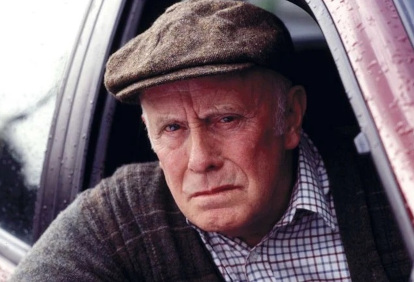
 Advertising stereotypes are alive and kicking in the UK, with older people still being “bombarded” with campaigns for funeral services, care homes and mobility aids while being portrayed as Victor Meldrew-style characters who are grumpy and hopeless with technology.
A new study by the Advertising Standards Authority said more than a third (35%) of Brits agreed that older people tended to be negatively stereotyped in ads, with other depictions such as forgetfulness, frailty or not being able to use technology also seen as potentially offensive.

Almost half (49%) said ads using humour at the expense of older people were likely to cause offence.
Some 44% believed that older people were either underrepresented or not represented at all in ads, particularly in categories like fashion, beauty, technology and household goods.
Respondents also raised concerns about how ads were targeted, saying they felt “bombarded” by promotions for end-of-life services such as funerals or cremations, life insurance and care homes.
The ASA’s report, based on focus groups and a survey of 4,000 UK adults, said older people were not only living longer but also continuing to lead full, active lives, contributing to workplaces, families, communities and the economy for longer.
However, many of those surveyed said that advertising too often painted a “very different and outdated picture”.
The ASA said the findings suggested the ad industry may be “out of touch” with the reality of ageing.
However, some brands are getting it right, the report claims, with ads by Amazon, Tesco, Nescafé and Cadbury praised for their positive portrayal of older people.

Respondents said ads that positively depicted elderly people focused on the person rather than their age, such as showing them as being a part of an intergenerational friendship group or taking part in activities that are not associated with being older.
The report stated: “When ads show older people as vibrant, capable and real, they help rewrite the story of ageing and how we perceive older generations.
“Not only this, but older people represent a significant market with substantial spending power, making them a vital audience for brands that want to stay relevant.
“While we’re not currently proposing any new rules, we’re hoping that by sharing this research, advertisers will understand how some portrayals of older people are landing with the public today – and where there may be unintended consequences.”
Harriet Bailiss, co-head of the Age Without Limits campaign, run by the Centre for Ageing Better charity, said: “We live in a society where ageism is the most common form of discrimination. We should all want that to end, and we all have a role to play in making that happen.
“Advertising has such a powerful influence on society and can help bring about that change and be a force for good, as it has already been for changing other outdated perceptions.”
Image: Copyright © BBC
Related stories
Adland in dock over portrayal of just about everyone
Brands miss out on £274bn due to accessibility failings
Brits’ trust in advertising bounces back from 2022 nadir
More and more Brits see advertising as a force for good
Brands offered framework for tackling societal issues
Care in the community: Brands urged to mend society
Industry makes DE&I gains but discrimination still rife
Diversity and inclusion issues plague the data industry