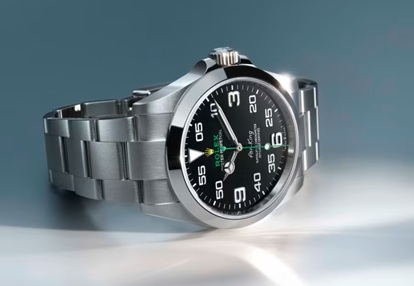
 The rise of fake online luxury goods is actually benefitting the legitimate industry, with high-net-worth shoppers increasingly seeking exclusive, high-touch experience in-store and resale sights to ensure they are getting the authentic products.
So says a new survey by Havas Media Lux, which reveals that two-thirds (63%) of luxury shoppers worry that it has become too easy to accidently buy fake luxury goods that look and feel like the real thing online.

Doubts over a product’s authenticity caused by a market awash with counterfeits – affecting Louis Vuitton, Prada, Rolex, Gucci, Chanel, among others – is one of the biggest changes consumers have seen in the luxury market globally in 2025, and the top change Brits have seen in the UK luxury market specifically.
That means two-fifths of high-net-worth shoppers are now ready to switch brands due to concerns about the authenticity of the products they’re buying. The top reason in the UK, emerging Asian economies (excluding China) and US for switching loyalty from one brand to another is an upsurge in content featuring fakes or forgeries.
In response, luxury shoppers are increasingly seeking exclusive, high-touch experience in-store with 40% prioritising purchase experiences where they can see the product for real and validate its authenticity.

There’s been significant year-on-year growth across such premium formats: a third (37%) of global shoppers have turned to resale and second-hand purchases thanks to their proof-of-purchase – rising to over half (53%) of UK luxury shoppers. Meanwhile, interest in pop-up stores and events rose from 19% in 2024 to 32% in 2025 – a 68% increase; exclusive, invite-only events saw a 54% rise, climbing from 26% to 40%; while demand for private shopping and concierge services grew by 45%, from 29% to 42%.
In fact, a quarter of luxury shoppers now conduct in-depth research before making a purchase and the same number primarily seeking craftsmanship, premium experience and long-term quality over impulse purchases – what luxury brands excel at.
Havas Media UK strategy partner Cherry Collins said: “The brands that put verification at the heart of their storytelling will retain both trust and commercial value. We see this already in the heritage houses that are continuing to grow through quiet exclusivity and creative stewardship, such as Brunello Cucinelli thriving on timeless design and humanist values and Rolex addressing authenticity and resale concerns directly through its Certified Pre-Owned programme. Proof-based luxury is now a competitive advantage.”
Related stories
Most consumers willing to pay more for favourite brands
‘Brands must embrace new media landscape – or wither’
Don’t let AI tools erase key marketing skills, CMOs told
‘Be affordable, convenient, and authentic or fall behind’
Cost of living crisis bargain hunt shopping ‘here to stay’
‘Even the most loyal shoppers spend more with rivals’