 Retail media is expanding beyond on-site dominance into a more sophisticated, multi-channel discipline, fuelled by first-party data activation, point-of-sale reach, and the rise of emerging channels like connected TV, audio, and out of home.
That is according to the second edition of IAB Europe’s Attitudes to Retail Media Report, which draws on insights from advertisers and retailers, and highlights growing maturity, evolving investment strategies, and a shift towards performance-driven, omnichannel retail media.

With OC&C Strategy Consultants predicting Europe’s retail media market will quintuple in size, with ad sales growing from less than €6bn in 2020 to over €30bn by 2028, there is plenty to play for.
And the IAB Europe report confirms that retail media is no longer an emerging trend, but a strategic priority. But as the ecosystem matures, there is a growing need for shared standards, consistent measurement, and greater collaboration across stakeholders
While fragmentation and lack of standardisation continue to pose challenges, momentum is being driven by first-party data activation and the growing importance of performance-based investment.
Return on advertising spend remains the primary measurement metric, though brands are increasingly seeking more advanced methods such as incrementality. IAB Europe maintains that future growth will hinge on further omnichannel integration, scalable standards, and unlocking true incrementality measurement.
Among the key findings are the fact that retail media partnerships are deepening and diversifying. The percentage of buy-side stakeholders in retailer partnerships lasting more than a year rose to 63%, while the number of brands working with between four and six networks more than doubled.
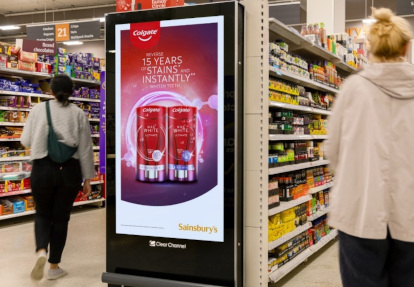
When it comes to individual channels, on-site retail media remains dominant, with over 90% of buyers allocating at least two-fifths of their digital retail media spend to it. Off-site investment is on the rise, however, with more buyers allocating similar budgets, driven by growth in display and social formats. In-store digital screens are also gaining interest but need greater investment.
For advertisers, measurement and transparency are taking centre stage, with buyers prioritising transparency, performance, and measurement options when evaluating retail media partners, with return on ad spend (ROAS) emerging as the most in-demand metric.
However, fragmentation and lack of standards still major issues. While concerns around data access and technology have eased, network fragmentation and lack of standardisation remain the most significant barriers to further retail media growth.

IAB Europe retail and commerce media committee chair Jason Wescott, who is global head of commerce solutions at WPP Media concluded: “This report highlights the key drivers powering retail media’s momentum, particularly the activation of first-party data and the growing influence of point-of-sale. While challenges like network fragmentation and lack of standardisation remain, it’s promising to see concerns around data access and technology starting to ease.
“This report is more than a snapshot of market sentiment – it serves as a strategic roadmap. It reinforces the urgent need for industry-wide standards, advanced measurement capabilities, and ongoing upskilling to help realise retail media’s full potential across Europe.”
In response to the report, Criteo EMEA managing director Jill Orr said: “Retail media has already reshaped how brands engage with consumers across the purchase journey.
“Nearly 80% of advertisers are prioritising visibility at the point of sale – and rightly so. Driving conversions and demonstrating clear ROI remain essential. However, a singular focus on bottom-of-funnel tactics captures only part of the opportunity.
“Leading advertisers are embracing full-funnel strategies, recognising the value of influencing shoppers not just at the moment of purchase, but throughout the entire decision-making process. From initial product discovery to consideration and, ultimately, conversion, there are multiple high-impact touchpoints that can be leveraged to guide and shape consumer behaviour.”
Orr added that by harnessing the power of first-party data, retailers and brands can deliver more timely, relevant, and personalised messaging – tailored to where the shopper is in their journey and informed by purchases made in the past. Whether a consumer is exploring categories, comparing options, or ready to check out, the activation of commerce data enables brands to engage with precision.
She concluded: “Ultimately, this approach goes beyond driving transactions. When implemented effectively, full-funnel retail media strategies deliver stronger brand engagement, improve media efficiency, and lay the groundwork for long-term customer loyalty and lifetime value.”
Related stories
Retail media boom to fuel new surge in owned networks
Industry urged to weigh in on retail media standards
Retail media boom to fuel rise of vertical ad platforms
Retail media: From shopper marketing to $141bn sector
Brands wake up to power of retail data to boost insight